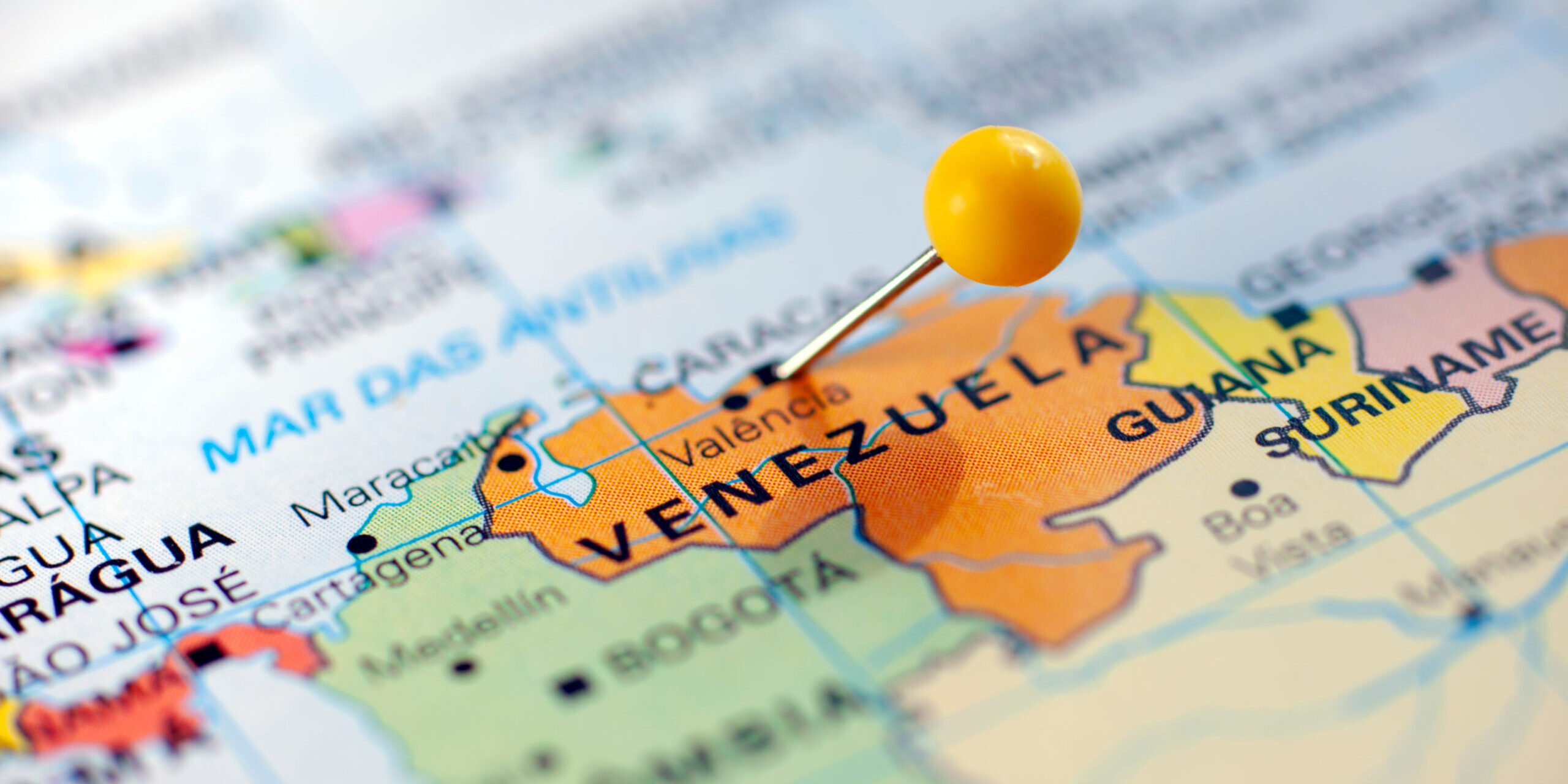
Venezuela Is Not Far Away: Why Chicago Should Be Paying Attention
By LaDonna Raeh
There are moments in history when things move so fast that confusion becomes the strategy. This is one of those moments.
What just happened with Venezuela is being framed as foreign policy—something distant, abstract, safely tucked away on another map. But let me be clear: this is not just about Venezuela. And it is certainly not “over there.” What’s unfolding has implications right here in Chicago, and if we’re not careful, we’ll miss the warning signs because we’re busy debating the wrong questions.
This is not simply a military action.
This is occupation.
Occupation isn’t about how many boots are on the ground. It’s about who controls the government and who controls the assets. And in this case, the asset is oil. Let’s stop pretending this is complicated. This is about oil—plain and simple—and about shaping a government that will hand that oil over. Unlike past conflicts, no one is even pretending this is about spreading democracy. The quiet part is being said out loud.
When people hear about dozens of ships offshore, they think symbolism. But force size tells a story if you know how to read it. Roughly ten thousand Marines is not enough to control a country of thirty million people or to occupy a capital city. But it is the perfect size to secure oil fields. That distinction matters, because it reveals intent.
And intent has consequences.
Venezuela is not an easy landscape. It is built for resistance—mountains, jungles, terrain that favors small, determined groups. That’s why oil companies are already hesitating. Civilian contractors working in contested oil fields don’t just face risk; they become targets. History has taught us that lesson again and again, whether in Iraq, Afghanistan, or elsewhere.
Then there are the charges against Venezuela’s president and his wife. We need to be honest with ourselves. There’s an old saying: show me the man, and I’ll show you the crime. Even if a court cleared him tomorrow, does anyone seriously believe power would be handed back? Of course not. This isn’t justice playing out—it’s law being used as a tool to justify an outcome that’s already been decided.
So why does this matter to Chicago?
Because force is being normalized.
When a president becomes comfortable using military power abroad to achieve political goals—and says so openly—it lowers the threshold for how power can be used elsewhere. And Chicago has been named, repeatedly, as a city this administration does not like. That matters. Immigration enforcement is still active. Federal authority is still very real. And when force becomes routine instead of restrained, liberal cities become laboratories.
That’s why I believe local leadership must stop being reactive and start being proactive.
There should be a clearly articulated moratorium—three months around the fall elections—on federal militarized agents operating in Chicago and Illinois. Any violation of that should be treated for what it is: election interference. Not after something happens. Now.
We keep asking the same question every time a new line is crossed: Can he do that? And then we watch it happen. This didn’t come out of nowhere. The rhetoric has been building for months—about conquest, about the Western Hemisphere, about expansion. Venezuela wasn’t a shock. It was a follow-through.
And history is painfully clear: military occupations do not magically produce democracy. Not in Iraq. Not in Libya. Not in Afghanistan. And they won’t here either.
This is not just a foreign policy debate. It’s a conversation about power, precedent, and the fragility of democratic norms. If we don’t protect democracy before it’s threatened—especially the integrity of our elections—we won’t recognize what we’ve lost until it’s already gone.
And as I always say,
in order to change our narrative, we must learn, speak, and teach our greatness.